Top 10 Tips for Choosing the Best Protective Phone Cases for Ultimate Safety
In today's fast-paced world, our smartphones are essential companions, serving not only as communication devices but also as gateways to countless apps and services that enrich our lives. As we rely more heavily on these handheld marvels, ensuring their protection becomes paramount. Protective phone cases have emerged as a vital accessory for safeguarding our devices from everyday hazards like drops, scratches, and dust. However, with a plethora of options available on the market, choosing the right case can be a daunting task.
This guide presents the top 10 tips for selecting the best protective phone cases tailored to your needs. Understanding the various features, materials, and designs can make a significant difference in the level of protection your phone receives. Whether you are an adventurous individual looking for rugged options or someone who appreciates sleek aesthetics without compromising safety, knowing what to consider can help you make an informed decision. With the right protective phone case, you can enjoy peace of mind, knowing that your device is secured against potential damage while you navigate through your daily activities.
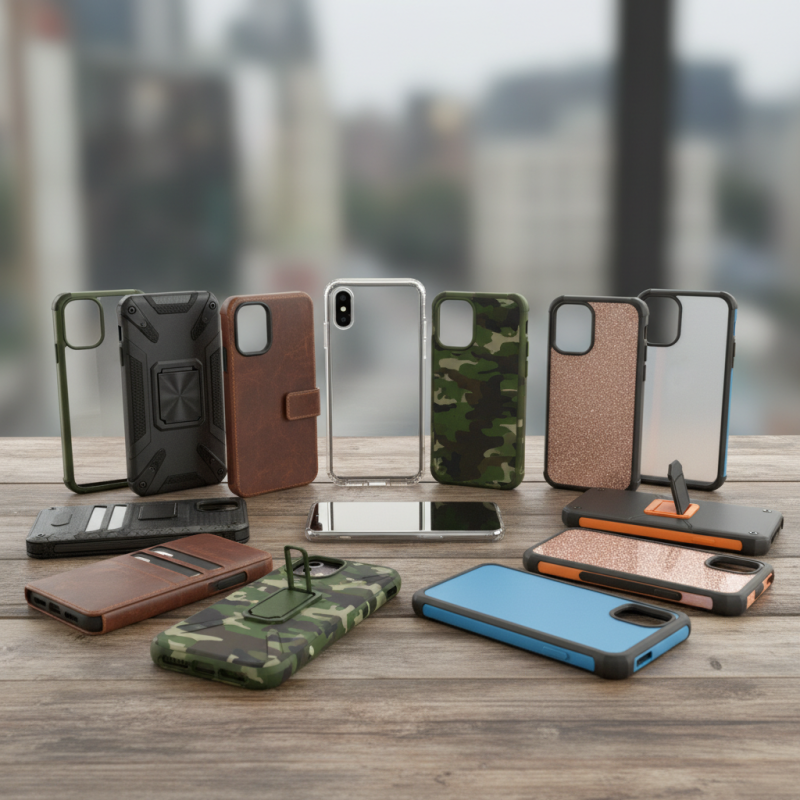
Understanding the Importance of Protective Phone Cases
Protective phone cases play a crucial role in safeguarding our devices from everyday hazards. With smartphones being an integral part of our lives, they are exposed to potential damage from drops, scratches, and environmental factors. A sturdy case acts as a shield, absorbing shock and minimizing the risk of screen cracks and internal component failures. This kind of protection is not only beneficial for the longevity of the device but also for the user's peace of mind, knowing that their investment is secure.
Moreover, protective cases offer more than just physical safety; they can also enhance the functionality of the phone. Many cases come equipped with additional features such as built-in kickstands, card holders, or water resistance, combining safety with convenience. Choosing the right protective case with these elements in mind not only extends the life of the phone but also can cater to personal style and needs, ensuring that the device serves us well in various aspects of daily life.
Evaluating Different Types of Phone Case Materials
When choosing a protective phone case, understanding the different types of materials available is crucial for ensuring ultimate safety. Materials like silicone, TPU (thermoplastic polyurethane), and polycarbonate are widely used due to their unique protective characteristics. Silicone cases are soft and flexible, providing a good grip while absorbing shocks from accidental drops. Their resilience makes them a popular choice for everyday use, especially for those prone to dropping their devices.
On the other hand, TPU cases offer a balance of flexibility and durability, featuring a more rigid structure that helps resist scratches and impacts. These cases are typically lighter and thinner, making them ideal for users looking for high protection without the bulk. Polycarbonate, known for its sturdiness, is often used in hard-shell cases. It provides a layer of tough protection while effectively dispersing impact to prevent damage. By evaluating the pros and cons of each material, you can select the best type of phone case that suits your lifestyle and provides the level of protection you need.
Top 10 Tips for Choosing the Best Protective Phone Cases for Ultimate Safety
This chart illustrates the effectiveness of various phone case materials based on user feedback and durability tests.
Key Features to Look for in a Protective Case
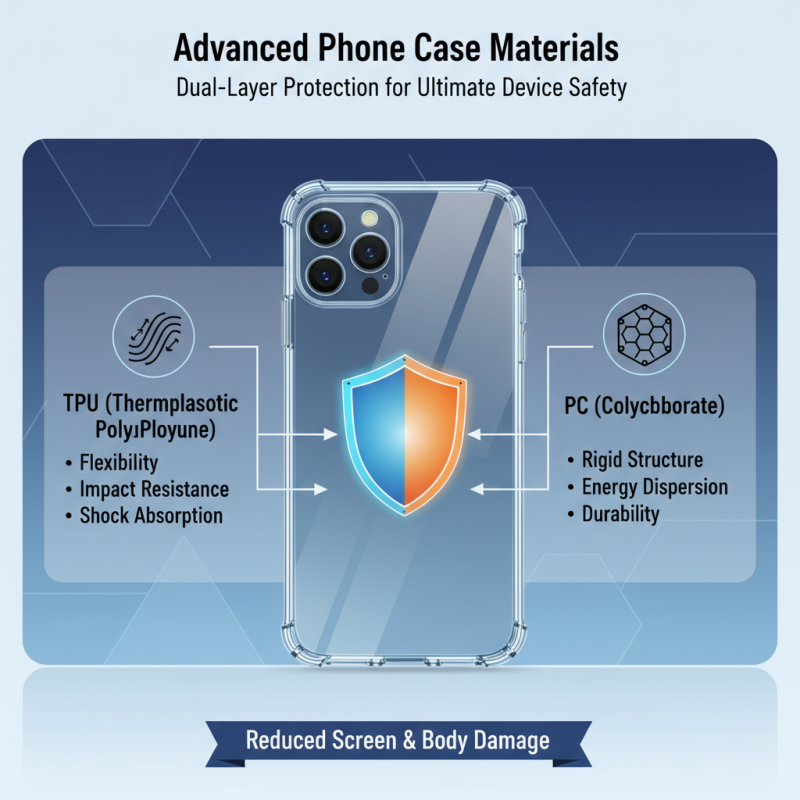
When choosing a protective phone case, several key features can significantly enhance the safety of your device. One of the most critical factors is the material used in the case. According to industry reports, cases made from thermoplastic polyurethane (TPU) and polycarbonate (PC) offer excellent shock absorption and durability, making them ideal for daily use. TPU is known for its flexibility and resistance to impact, while PC provides a rigid structure that effectively disperses energy upon impact, creating a combined effect that greatly reduces the chances of screen and body damage.
Another essential feature to consider is the case's drop protection rating. Many manufacturers adhere to the Military Drop Test Standards (MIL-STD-810G), which ensures that cases can withstand falls from considerable heights. Research indicates that smartphones are dropped an average of 7 times per year, which underscores the necessity of a high-quality case. A case with a multi-layer design not only increases protection but also adds resistance against scratches and bumps. Additionally, the case should offer precise cutouts for buttons and ports while maintaining a slim profile to avoid bulkiness, ensuring that it complements the phone's design without sacrificing function. Thus, examining these features can significantly contribute to the ultimate safety of your smartphone.
Assessing Drop Protection Ratings and Standards
When choosing a protective phone case, understanding drop protection ratings and standards is essential for ensuring your device's safety. Drop protection is typically measured using various standards, including the Military Standard (MIL-STD) certification and a range of impact resistance tests. These evaluations determine how well a phone case can withstand accidental falls from specific heights. A case with a higher rating means it has been tested to endure more significant impacts without compromising the integrity of your device.
In addition to looking for recognized ratings, it’s important to consider the materials used in the case. Different materials provide varying levels of protection; for example, silicone offers shock absorption, while polycarbonate and TPU (thermoplastic polyurethane) can provide a combination of flexibility and durability. Evaluating a case’s design for raised edges, which help protect the screen and camera when placed face down, can also enhance its protective capabilities. Ultimately, selecting a phone case that meets established drop protection standards ensures that your device is safeguarded against everyday wear and tear, while also giving you peace of mind.
Top 10 Tips for Choosing the Best Protective Phone Cases for Ultimate Safety
| Feature |
Description |
Drop Protection Rating |
Material |
| Shock Absorption |
Protects against impacts and absorbs shock during falls. |
MIL-STD-810G |
Thermoplastic polyurethane (TPU) |
| Edge Protection |
Raised edges prevent screen damage during drops. |
5 ft Drop Tested |
Polycarbonate |
| Water Resistance |
Provides protection against splashes and rain. |
IP68 |
Silicone |
| Drop Cushioning |
Extra padding in key areas for enhanced drop safety. |
10 ft Drop Tested |
Soft rubber |
| Screen Protection |
Includes a built-in screen protector or raised lip. |
4 ft Drop Tested |
Tempered glass |
| Grip |
Non-slip texture for better handling and grip. |
N/A |
Rubberized material |
| Custom Fit |
Designed to fit specific phone models perfectly. |
N/A |
Varies by model |
| Weight |
Lightweight design for easy portability. |
N/A |
Polymer blend |
| Styles and Colors |
Available in a variety of colors and styles to choose from. |
N/A |
N/A |
| Budget |
Various price points to fit different budgets. |
N/A |
N/A |
Choosing the Right Size and Fit for Your Phone Model
When selecting a protective phone case, one of the most crucial factors to consider is the size and fit based on your specific phone model. Each smartphone comes with unique dimensions and button placements, making it essential to choose a case designed explicitly for your device. An ill-fitting case can obstruct ports or interfere with the functionality of buttons, which compromises the overall user experience. Therefore, always check the compatibility details before making a purchase; this ensures that the case aligns perfectly with your phone, providing both protection and convenience.
Additionally, understanding the thickness and design of the case is important for optimal fit. A case that is too bulky might not fit well with certain accessories, like docks or chargers, while a slim case may offer limited protection against drops. Pay close attention to the case’s edge coverage as well; raised edges can provide a cushion for the screen and camera when placed face down. Ultimately, the right size and fit not only enhance the protection your phone receives but also maintain the sleekness and usability that users desire in their devices.

 +8617719515640
 Phone
Phone Email
Email