How to Choose the Best Smartphone and Case for Your Needs?
Choosing a smartphone and case is not just a task; it’s a journey. With countless options, the right selection can feel overwhelming. Consider what you truly need. Do you want a powerful camera or long battery life? Your priorities shape your choice.
The smartphone and case you choose should reflect your lifestyle. For instance, if you are active, look for a rugged case. If you enjoy photography, focus on phones with excellent cameras. Each small detail matters. The wrong case can diminish the beauty of a sleek phone.
Reflect on your usage. Are you a social media enthusiast or a casual user? Sometimes, we fail to recognize our actual needs and get drawn to fancy features. A simpler phone can be just as effective. Take your time, and make an informed decision for a smartphone and case that truly suit you.
Identify Your Primary Needs and Usage Patterns for a Smartphone
When choosing a smartphone, understanding your primary needs and usage patterns is vital. Market research shows that over 80% of consumers prioritize battery life and camera quality. If you frequently travel or work long hours away from a charger, select a phone with a robust battery. Aim for a device that can last at least a full day on a single charge. Users often overlook the importance of battery life, leading to frustration.
Camera quality is another significant factor. In a recent survey, nearly 70% of users indicated that camera performance influenced their purchasing decision. If you enjoy photography or social media, look for a model with features like optical zoom and low-light capabilities. Remember, not all devices boast excellent photography features. It’s important to consider realistic expectations based on what you need.
Beyond these features, think about your usage patterns. Are you a heavy gamer or a casual user? A report from a tech industry analyst found that heavy users benefit from phones with higher processing power and greater RAM. Ignoring this can lead to slow performance and frequent crashes. Reflect on your habits and choose a smartphone that fits seamlessly into your lifestyle.
Examine Key Specifications: Processor, RAM, Storage, and Battery Life
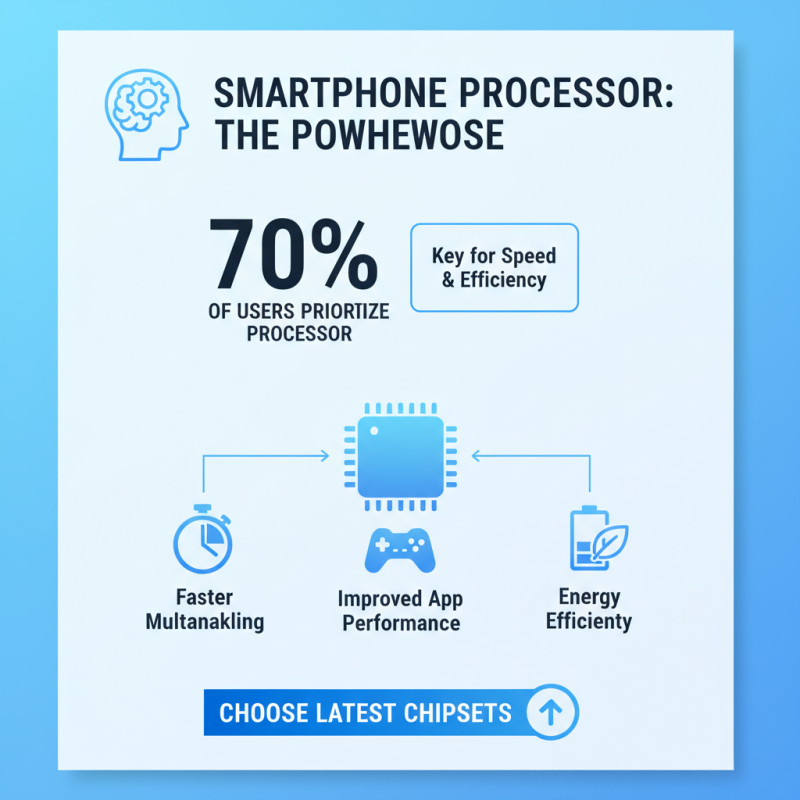
When choosing a smartphone, key specifications are crucial. The processor determines the speed and efficiency of the device. A high-end processor can enhance multitasking and app performance. Reports indicate that over 70% of users prioritize processor performance in their decision-making. Consider the latest chipsets, as they often offer improved performance and energy efficiency.
Next, RAM plays a vital role in your smartphone's capability. More RAM means better performance when running multiple apps. Current trends suggest that 8GB RAM is becoming standard for mid-range devices. This allows users to switch apps seamlessly. If you often use resource-intensive applications, even higher RAM, like 12GB or more, can vastly improve your experience.
Storage options also impact your choice. Models with 256GB or more are increasingly popular. Many users require space for apps, photos, and videos. In fact, research shows that approximately 60% of consumers run out of storage on their devices within a year. Finally, battery life is another critical factor. A smartphone with a 4000mAh battery or above typically lasts longer. However, users often underestimate how their usage habits affect battery life. Heavy gaming or video streaming can drain it quickly, leading to frequent charging. Reflect on how your daily tasks influence these needs.
Evaluate Camera Quality and Features as Essential Selection Criteria
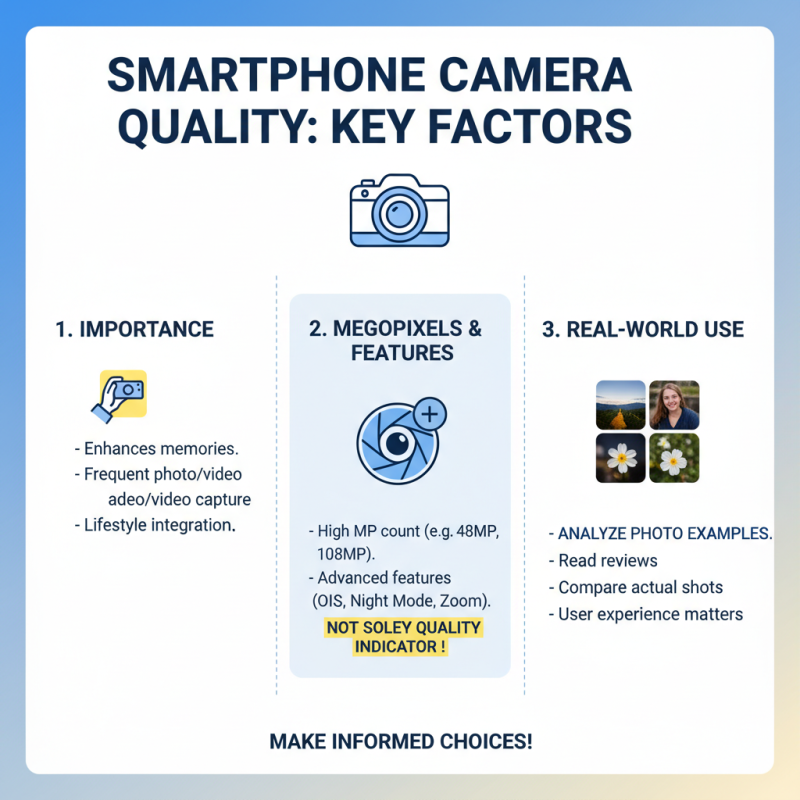
When choosing a smartphone, camera quality often stands out as a key factor. A good camera can change your experience. Consider how often you take photos or videos. If you enjoy capturing moments, look for high megapixel counts and advanced features. You might think that higher numbers mean better quality. However, it’s vital to analyze photo examples before deciding.
Low-light performance is another essential aspect. A phone that excels in low-light areas can make a significant difference. Are you willing to invest time in understanding how aperture and sensors work? Many devices offer options like night mode and stabilization. These features will enhance your shooting experience.
Don’t overlook practical aspects like ease of use. Sometimes, the most complex options can frustrate users. You might find yourself wishing for a simpler interface. Remember, features are great, but functionality is key. A smartphone should suit your lifestyle and not just your hobbies. Reflect on what truly matters for your daily use.
Consider Operating System Options: iOS vs. Android for User Experience
When considering a smartphone, the operating system is key. iOS and Android offer distinct user experiences. iOS is known for its simplicity and consistency. Users appreciate the seamless integration with other devices. However, it's often seen as less customizable. Android, on the other hand, allows for more flexibility. Users can personalize their experience extensively. This flexibility can also lead to confusion for some.
Choosing between the two can be challenging. iOS has a smoother learning curve. Many find it easier to navigate. Android may appeal to those who favor control over their device. Some Android users struggle with software updates, which can be frustrating. Each operating system carries its pros and cons. It’s essential to reflect on what features matter most to you. This choice can impact your daily life significantly.
How to Choose the Best Smartphone and Case for Your Needs? - Consider Operating System Options: iOS vs. Android for User Experience
| Feature |
iOS |
Android |
| User Interface |
Intuitive and consistent |
Highly customizable |
| App Quality |
Generally higher quality apps |
Wider variety of apps |
| Software Updates |
Regular and timely updates |
Varies by manufacturer |
| Customization Options |
Limited customization |
Extensive customization |
| Device Variety |
Limited to a few models |
Wide range of devices |
| Security |
Strong security features |
Varied security levels |
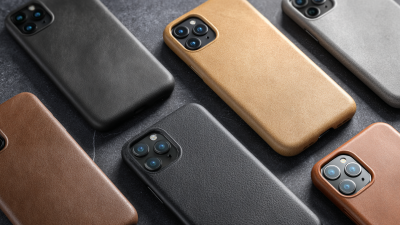
Assess the Importance of Durability and Protection in Smartphone Cases
When choosing a smartphone case, durability is crucial. A report from Consumer Reports indicates that nearly 30% of smartphones will experience damage within their first year. Protecting your device should be a priority. Many users underestimate the cost of repairs. For instance, screen replacement can average over $200. A sturdy case can prevent such expenses.
Consider the materials used in cases. TPU and polycarbonate are popular because they offer excellent protection. According to a 2022 study by Tech Radar, cases with reinforced corners can reduce the impact force by up to 75%. This can be the difference between a cracked screen and a safe device.
However, not all cases are equal. Some provide minimal protection while prioritizing aesthetics. It’s essential to balance style with safety. Many find themselves regretting the decision to choose looks over longevity. It’s a common mistake, but one that can be avoided. By evaluating your lifestyle, you can choose a case that meets your needs without compromising durability.
Durability and Protection Ratings of Smartphone Cases

 +8617719515640
 Phone
Phone Email
Email