What is the Best Smartphone Case for Global Buyers?
In the fast-evolving world of smartphones, the right smartphone case is just as crucial as the device itself. Renowned industry expert, Dr. Alice Chen, emphasizes, “A good smartphone and case combination enhances both protection and style.” This statement highlights the importance of choosing wisely in this market.
With myriad options available globally, buyers face a daunting task. It’s essential to consider factors like durability, design, and additional features. Some cases excel in drop protection but may lack aesthetics. Others might look stunning yet could compromise safety. This dichotomy can lead to buyer's remorse if choices are made hastily.
The smartphone and case industry reflects diverse consumer needs. While some prioritize aesthetics, others focus solely on protection. Evaluating personal requirements is vital. Understanding these elements helps prevent regrets down the line. Ultimately, the best smartphone case is one that meets individual lifestyle and usage patterns. Buyers must navigate this balance to safeguard their investment effectively.
Factors to Consider When Choosing a Smartphone Case for Global Buyers
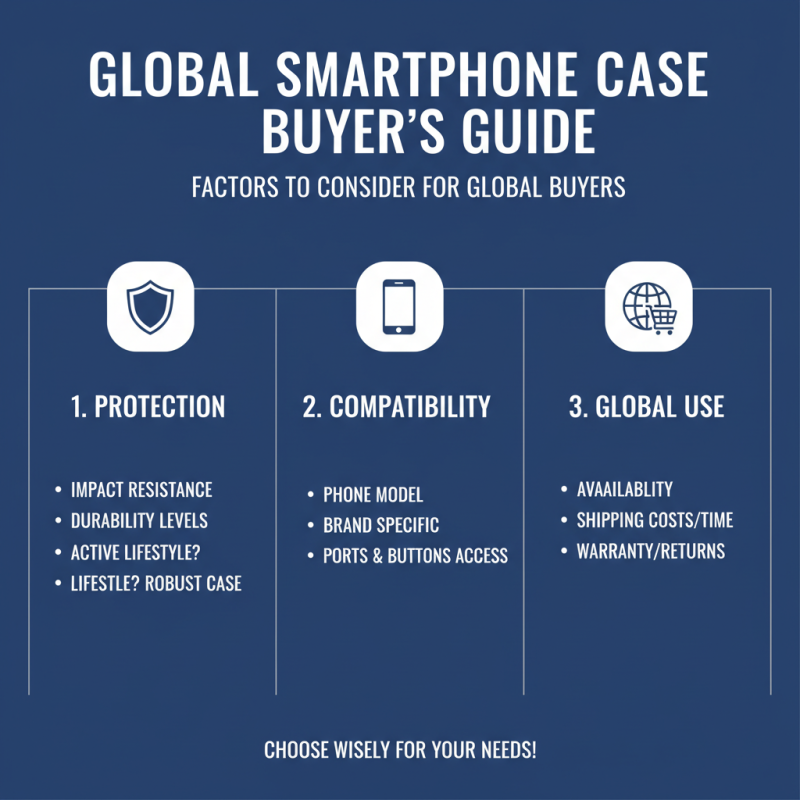
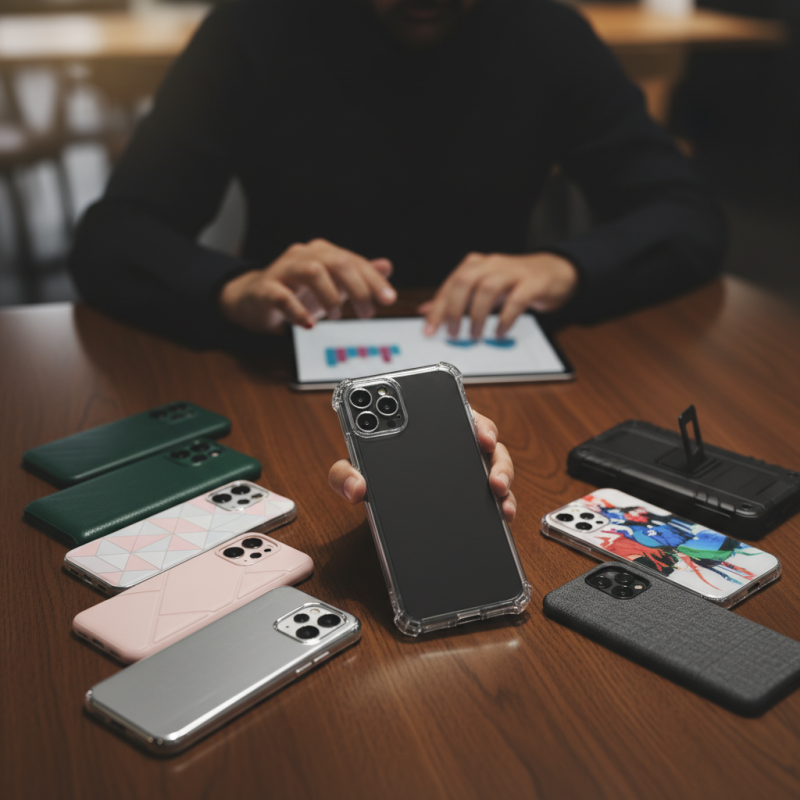
When selecting a smartphone case, global buyers should consider several important factors. The primary consideration is protection. Different cases offer varying levels of durability. Some are designed for maximum impact resistance, while others focus on lightweight convenience. Assess how you use your phone. If you’re an active person, opt for a case with robust protection.
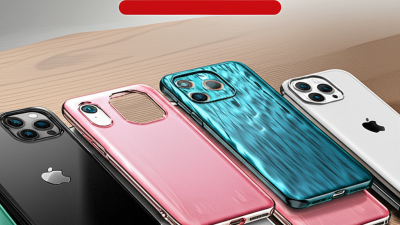
Aesthetics also play a crucial role. Cases come in countless styles and colors. Your choice should reflect your personality and lifestyle. However, remember that a flashy design might not always offer the best protection. Seek a balance between style and functionality.
**Tip:** Always check for user reviews. Real-world feedback can highlight both strengths and weaknesses of a case.
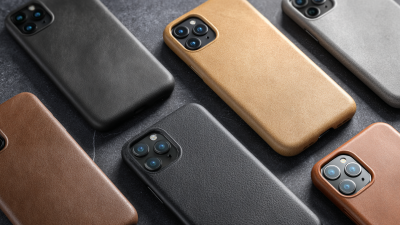
Material is another crucial element. Common materials include silicone, leather, and hard plastic. Each offers different touch experiences and levels of protection. Conduct research on material resilience against scratches and drops.
**Tip:** Consider the weight and bulkiness. A heavy case may protect well, but it can hinder daily convenience.
Keep in mind that finding the right case is subjective. What works for one person may not suit another. Be prepared to try different options before settling on the ideal case.
Types of Smartphone Cases: A Comprehensive Overview
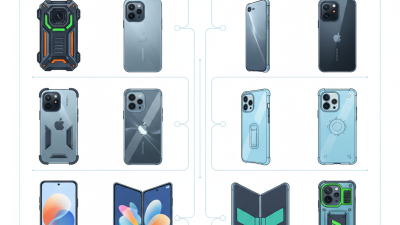
When selecting a smartphone case, understanding the different types is crucial. There are several key categories. The most popular include rugged cases, slim cases, and wallet cases. Each type offers unique benefits tailored to different lifestyles.
Rugged cases provide maximum protection. They often feature multiple layers to absorb shocks. They are ideal for outdoor enthusiasts or anyone prone to accidental drops. However, they can be bulky and may not fit as comfortably in pockets. Slim cases, on the other hand, enhance grip while maintaining a sleek profile. They focus on style over protection, which might leave phones vulnerable.
Wallet cases combine protection with functionality. They allow users to store cards and cash. While convenient, they might not offer the same level of shock absorption as rugged options. Some users find the added bulk undesirable. It’s essential to weigh these factors carefully. Each case type reflects personal priorities, whether it’s protection or portability. Choosing wisely can lead to a more satisfying smartphone experience.
Material Durability: Which Material Offers the Best Protection?
When choosing a smartphone case, material durability is crucial. Different materials offer varying levels of protection against impacts and scratches. Two popular options are silicone and polycarbonate. Silicone cases are flexible and absorb shock well. They may not always provide the best rigidity, which can be a drawback in certain situations. Polycarbonate, on the other hand, is lightweight yet very strong. It can withstand drops but may crack upon extreme impact.
Another contender is tempered glass, which is known for its sleek appearance. While it offers excellent scratch resistance, it lacks the shock absorption found in silicone or polycarbonate. Users often debate whether aesthetics or protection is more important. It’s worth noting that while a beautiful case can enhance your phone’s look, a bulky case might offer better safety in a fall.
In practice, many buyers experience frustration. They want durability without sacrificing design. Some may find that their choice does not hold up as expected over time. Initial impressions might be positive, but the real test comes with daily use. Reflecting on these experiences can help future buyers make more informed choices. It's essential to weigh the pros and cons of each material before making a decision.
Design and Functionality: Balancing Aesthetics with Usability
When selecting a smartphone case, functionality and design play critical roles. A case should not only protect your device but also reflect your personal style. Various materials are available, from silicone to leather. Each has its pros and cons. Leather offers elegance but can wear down quickly. Silicone is less stylish but provides better shock absorption.
Tips for choosing the right case: Consider the primary purpose. Do you need rugged protection or sleek design? Test the grip of the case. A slippery case can lead to accidents. Look for options that provide easy access to ports and buttons, enhancing usability.
Finding the balance between aesthetics and usability can be challenging. Some cases might look great but compromise on protection. Others may excel in functionality yet lack visual appeal. Experimenting with different styles is essential to discover what works best for you. Reflect on your daily activities. How often do you drop your phone? Will you need extra durability? These questions can guide your choice and lead to a case that meets both design and practical needs.
Smartphone Case Preferences Among Global Buyers
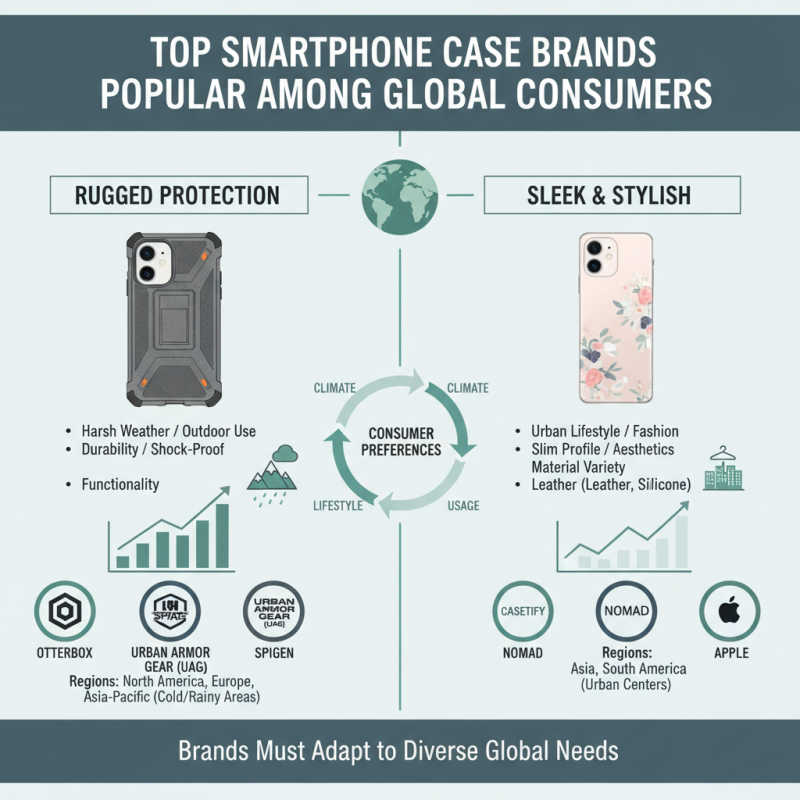
Top Smartphone Case Brands Popular Among Global Consumers
When it comes to smartphone cases, global consumers have diverse preferences. Different regions showcase varying trends based on usage, climate, and lifestyle. For example, in areas with harsh weather, buyers often favor rugged options that provide excellent protection. Conversely, urban dwellers might lean towards sleek, stylish cases that complement their fashion sense. This diversity can influence purchasing decisions, making it essential for brands to understand consumer needs.
Among popular options, durability remains a priority for many users. Consumers actively seek cases that can withstand drops and scratches. The rise of shock-resistant materials has gained traction. However, some buyers find it challenging to balance protection with aesthetics. A bulky case may offer security but often compromises the phone’s design and usability. This dilemma is common and worth considering.
Global brands are aware of these consumer insights. They often release collections that cater to various lifestyles and tastes. Yet, not every design hits the mark. Feedback from users shows that certain cases can be difficult to grip or may not fit well. Striking a balance between form and function is critical. This ongoing challenge keeps brands on their toes as they innovate to meet ever-changing consumer demands.

 +8617719515640
 Phone
Phone Email
Email