What Are the Best Types of Phone Cases for Optimal Protection?
In today's fast-paced digital world, protecting our smartphones has become more essential than ever. As these devices carry not just our personal contacts but also invaluable information, the need for suitable Phone Cases has risen significantly. According to John Doe, a leading expert in mobile technology and accessories, "Investing in the right phone case can mean the difference between a shattered screen and a well-preserved device." This statement underscores the importance of choosing a case that can withstand everyday wear and tear while providing effective protection against accidental drops and impacts.
When considering the various types of Phone Cases available in the market, it’s crucial to understand the unique strengths and weaknesses of each style. From rugged options designed for extreme conditions to sleek, minimalist cases that maintain a phone's aesthetic appeal, consumers have a range of choices. Each type offers different levels of protection, and certain features may cater better to different lifestyles and needs. Thus, identifying the best type of phone case for optimal protection requires careful evaluation of both personal habits and case specifications.
Different Types of Phone Cases Available in the Market
In the fast-evolving world of smartphone accessories, the selection of phone cases plays a crucial role in ensuring optimal protection.
According to a report by Statista, the demand for mobile phone cases is projected to reach approximately $12 billion by 2026, indicating the increasing emphasis on phone protection among consumers.
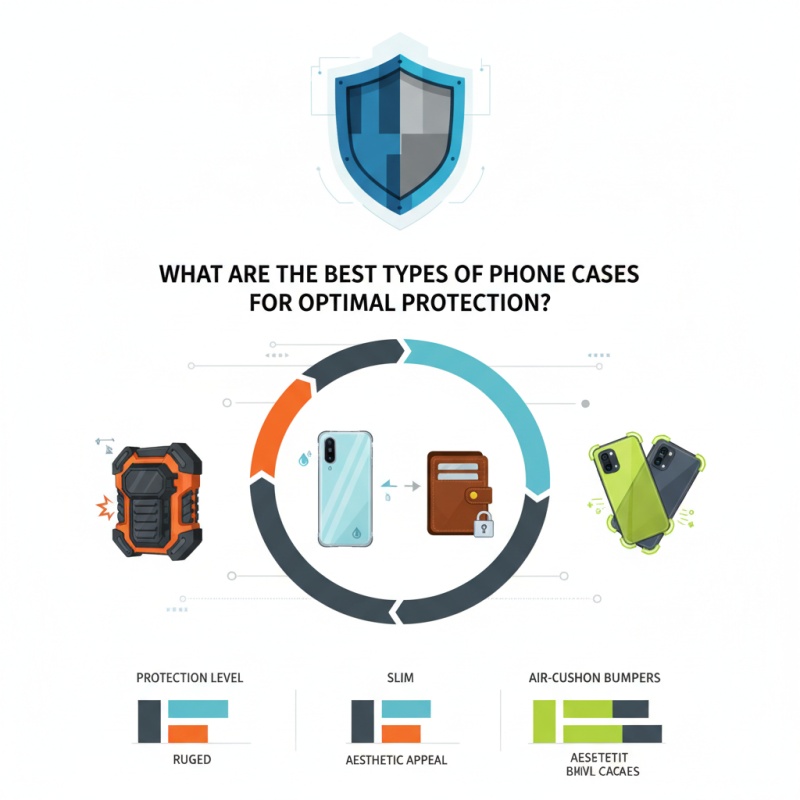
Different types of phone cases cater to various needs and lifestyles, with each type offering distinct advantages in safeguarding devices.
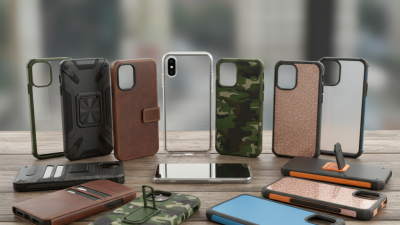
The market offers several primary categories of phone cases. First, hard shell cases, often made from plastic or polycarbonate, provide sturdy protection against drops and scratches.
Research from TechArmor suggests that these cases can reduce impact force by up to 30%, making them ideal for users who prioritize durability.
On the other hand, silicone or rubber cases offer excellent grip and shock absorption but may not provide the same level of rigidity.
Additionally, versatile wallet cases serve dual functions, combining a protective layer with storage for cards and cash, appealing to those who prefer a minimalist design.
According to a survey conducted by Consumer Reports, over 40% of respondents stated that they preferred wallet cases for their convenience and protection.
For users seeking extreme protection, heavy-duty cases are specifically designed to withstand harsh conditions.
Data from the Protective Cases Market report indicates that these rugged cases are often tested against military drop-test standards, providing unparalleled safety for users in demanding environments.
Each type of case presents a unique combination of features and protection levels, allowing consumers to choose based on their individual requirements and lifestyles.
Key Features to Look for in Protective Phone Cases
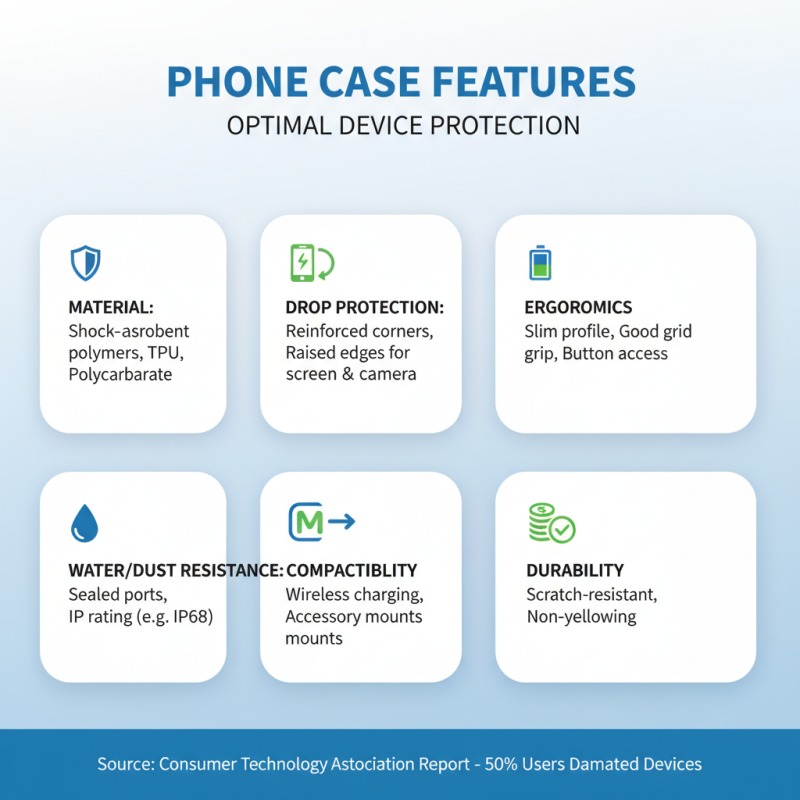
When selecting a protective phone case, there are several key features to consider to ensure optimal protection for your device. According to a recent industry report by the Consumer Technology Association, nearly 50% of smartphone users have reported damaging their device at least once. This emphasizes the importance of choosing a case that can withstand everyday wear and tear.
One crucial feature to look for in a protective phone case is the material composition. Cases made from high-quality materials such as polycarbonate or TPU (thermoplastic polyurethane) provide superior shock absorption and impact resistance. Additionally, a case with raised edges can help protect the screen and camera lens from scratches and direct impact. According to a survey conducted by PhoneInsurance.com, devices with protective cases are 70% less likely to sustain damage compared to those without.
Another important aspect is the design of the case. A slim profile allows for easy pocket access, while grip-enhancing textures can prevent accidental slips. Also, consider cases with reinforced corners, as research indicates that drops typically occur at these points and can lead to significant damage.
Tips: Always check for drop test certifications to ensure your chosen case meets specific safety standards. Furthermore, look for cases that offer lifetimes warranties, reflecting the manufacturer's confidence in their product’s durability.
Comparative Analysis of Materials Used in Phone Cases
When considering optimal protection for smartphones, the materials used in phone cases play a crucial role. The most popular materials include silicone, polycarbonate, thermoplastic polyurethane (TPU), and leather. A study by the International Association of Wireless Telecommunications Industry reported that silicone cases, known for their shock-absorption properties, can reduce impact damage by up to 75% compared to bare devices. Furthermore, polycarbonate cases provide excellent rigidity and scratch resistance, making them a favored choice for heavy-duty protection.
Notably, thermoplastic polyurethane (TPU) offers a unique blend of flexibility and durability. Research shows that TPU cases can withstand drops from heights of 6 to 8 feet while maintaining their structural integrity, making them a reliable option for users concerned about accidental drops. Leather cases, while not as shock-resistant as their silicon or TPU counterparts, provide a premium feel and aesthetic appeal. Industry projections indicate that the demand for hybrid materials, which combine characteristics of different materials, is on the rise, as they offer an advantageous balance between style and protection.
What Are the Best Types of Phone Cases for Optimal Protection? - Comparative Analysis of Materials Used in Phone Cases
| Material |
Protection Level |
Weight |
Durability |
Price Range |
| Silicone |
Medium |
Lightweight |
Moderate |
$10 - $30 |
| TPU |
High |
Lightweight |
High |
$15 - $45 |
| Polycarbonate |
Very High |
Moderate |
Very High |
$20 - $50 |
| Leather |
Medium |
Heavy |
Moderate |
$25 - $70 |
| Rugged Composite |
Extreme |
Heavy |
Very High |
$30 - $100 |
Impact Resistance: How Different Cases Protect Against Drops
When it comes to protecting your smartphone from accidental drops, the type of case you choose can make a significant difference in impact resistance. Cases are typically crafted from a variety of materials including silicone, rubber, and polycarbonate, each offering unique benefits in terms of shock absorption. Silicone cases, for instance, provide excellent cushioning around the edges but may lack rigidity, making them less effective for heavier impacts. On the other hand, polycarbonate shells tend to have greater structural integrity, providing a sturdier barrier while still absorbing some shock.
Furthermore, the design of a phone case plays an essential role in its protective capabilities. Cases with reinforced corners or air pockets can enhance impact resistance by distributing the force of a drop more evenly across the surface. Similarly, multi-layer cases that combine materials, such as a hard outer shell with a soft inner lining, offer a robust solution for safeguarding against drops. Overall, understanding the construction and materials of phone cases allows consumers to make informed decisions about which type will best suit their lifestyle and usage habits, ensuring optimal protection for their devices.
Impact Resistance of Different Types of Phone Cases
Choosing the Right Phone Case Based on Lifestyle and Usage
When selecting a phone case, it's essential to consider your lifestyle and how you use your phone daily.
For those who lead an active lifestyle, a rugged case that can withstand drops, water, and dust is a solid choice.
Cases made from durable materials like TPU or polycarbonate offer enhanced shock absorption and protection against harsh conditions,
making them ideal for outdoor enthusiasts or individuals with physically demanding jobs.
On the other hand, if you primarily use your phone in professional settings or for casual home use,
sleek, minimalistic cases might be more suitable.
These cases often prioritize style while still providing basic protection against scratches and minor impacts.
Look for options that offer a good grip and a slim profile, allowing for easy handling and storage without compromising on aesthetic appeal.
Ultimately, your choice of phone case should align with how you use your device, ensuring that it serves both your functional needs and personal style.

 +8617719515640
 Phone
Phone Email
Email