2026 Best Mobile Cover Choices for Global Buyers?
In today’s fast-paced world, a trusty mobile cover is essential for protecting your device. Phone models vary widely, and so do the mobile cover options available. As global buyers search for the best choices in 2026, factors like material, design, and functionality come into play.
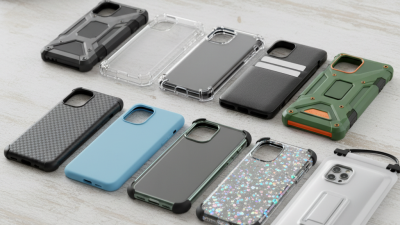
Understanding your needs is crucial. A mobile cover should reflect personal style while ensuring maximum protection. Some users prefer sleek, minimal designs, while others opt for rugged durability. This variety can be overwhelming, leading buyers to make rushed decisions that they might later regret.
Choosing a mobile cover goes beyond aesthetics. Consider the level of protection you need. Are you accident-prone, or do you prioritize a lightweight feel? Each choice carries weight. The best mobile cover enhances your user experience and secures your investment. Take your time to explore options, as not every cover will serve you well. Reflect on your lifestyle and choose wisely.
Best Mobile Cover Materials: An Analysis of Durability and Protection
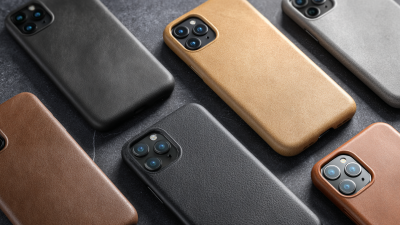
When selecting a mobile cover, the material significantly impacts durability and protection. Popular choices include silicone, plastic, leather, and tempered glass. Each offers unique benefits and limitations. Silicone cases provide shock absorption but may wear out faster. Plastic covers are lightweight, yet they can crack on impact. Leather offers a premium feel but may not withstand extensive drops.
Tempered glass is known for its strength. It usually protects screens well but can shatter under severe pressure. Evaluating these options requires understanding their strengths and weaknesses. Many buyers overlook long-term durability in favor of aesthetics. A beautiful case might look good today but could fail to protect during accidental drops.
Real-world testing often reveals that no material is perfect. Users frequently discover that some materials lose their luster or fail to provide the necessary grip over time. Therefore, a thoughtful evaluation of lifestyle and usage patterns is essential. This can lead to a more informed decision that balances protection and style. A user might enjoy a sleek leather case but realize it isn’t as protective as a bulkier option. The right choice ultimately depends on individual priorities.
2026 Best Mobile Cover Choices for Global Buyers
| Material |
Durability (1-10) |
Protection Level (1-10) |
Weight (grams) |
Price Range (USD) |
| Silicone |
7 |
6 |
30 |
10 - 20 |
| Polycarbonate |
8 |
8 |
25 |
15 - 30 |
| Leather |
6 |
7 |
50 |
25 - 50 |
| TPU (Thermoplastic Polyurethane) |
9 |
9 |
35 |
15 - 25 |
| Aluminum |
10 |
10 |
60 |
40 - 70 |
Market Trends: The Rise of Customizable Mobile Covers in 2026
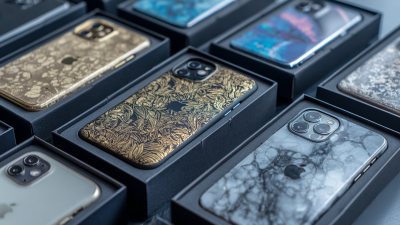
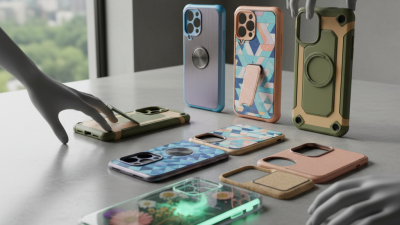
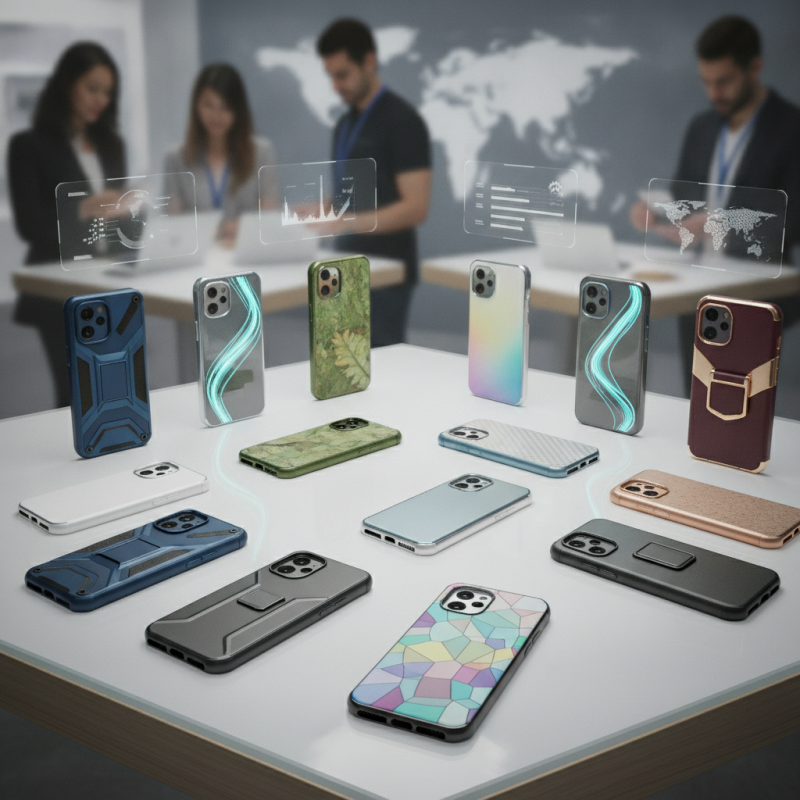
In 2026, customizable mobile covers have taken center stage in the market. Buyers now seek more than just protection; they want tools for self-expression. This trend reflects a growing desire for individuality in a sea of mass-produced products. Custom covers allow users to showcase their unique styles through vibrant designs and personal graphics.
Tips: When choosing a customizable cover, think about your personality. Consider colors that resonate with you. A mix of patterns and textures can also create a standout look. Design simplicity can be powerful, too.
Consumers are increasingly drawn to online platforms offering user-friendly design tools. However, it's crucial to choose materials wisely. Not all customizable options provide adequate protection. Research materials that balance aesthetics and durability. While personalization is exciting, consider your daily usage. A cover might look great but may not fit your active lifestyle.
Tips: Evaluate the weight of your cover. A lightweight option ensures comfort and practicality. Always check reviews from other buyers. Their experiences can highlight potential flaws in design choices. With the rise of customizable covers, reflect on what truly represents you.
2026 Mobile Cover Market Trends
Sustainability in Mobile Covers: Eco-Friendly Options for Buyers
Sustainability is becoming essential in mobile accessories. Mobile covers are no exception. According to recent research, around 60% of buyers now prefer eco-friendly products. This shift is driven by growing environmental concerns.
Eco-friendly mobile covers can be made from materials like bamboo, recycled plastics, and bioplastics. These materials reduce waste and energy consumption. A study from the Environmental Protection Agency shows that traditional plastic takes over 400 years to decompose. In contrast, biodegradable options can break down in just a few months. Yet, not all eco-friendly covers perform similarly. Some may lack durability or style.
Consumers should consider their choices carefully. The market offers various sustainable options. However, the balance between style, functionality, and sustainability is not always easy to achieve. Finding a cover that meets personal taste and environmental standards can be challenging. The need for better education on material sources and production methods continues to grow. With the right information, buyers can make informed choices that align with their values.
Price Ranges of Mobile Covers: Budget-Friendly to Premium Choices in 2026
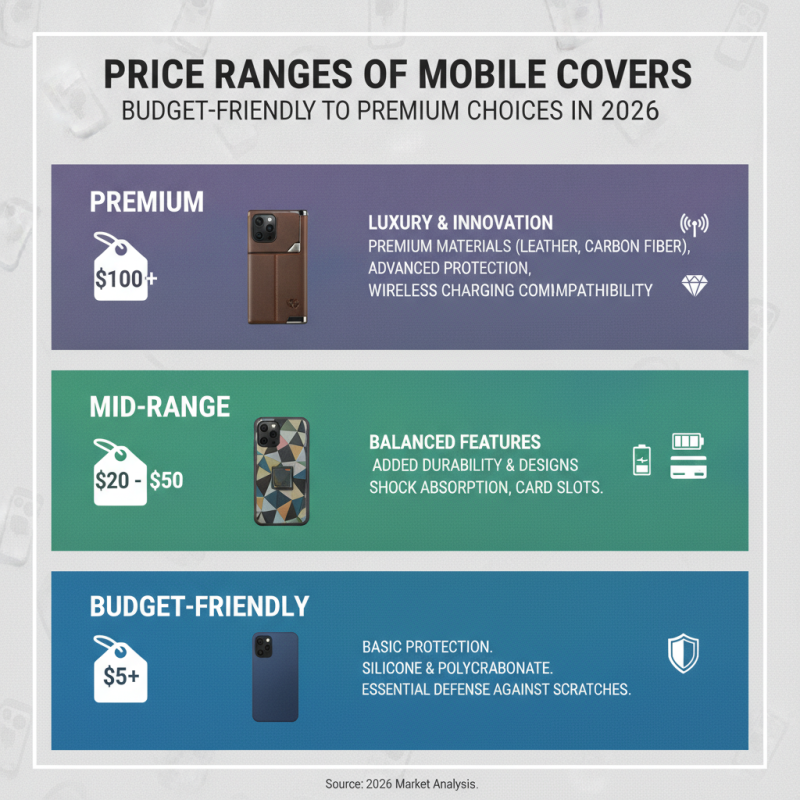
In 2026, mobile cover options abound for every consumer. Price ranges vary significantly, making it easy for buyers to find something that fits their budget. Budget-friendly covers often start as low as $5. These options may lack unique designs but are practical for everyday protection. Many use silicone and polycarbonate materials, which offer essential defense against scratches.
On the premium end, prices can soar above $50. These high-end covers often feature innovative designs and materials, like leather or advanced polymers. They promise better durability and style. Some brands aim for eco-friendly options, appealing to environmentally conscious buyers. However, the higher cost does not always guarantee superior protection. It's essential for consumers to weigh the financial investment against the actual benefits.
Shoppers should be aware of the balance between quality and price. Many budget covers perform adequately but may wear out quickly. Premium options boast better aesthetics but sometimes fall short on practicality. Reviews can help guide informed choices, but users often need to reflect on their personal experiences. What works for one may not suit another's needs, highlighting the importance of personal preference in purchasing decisions.

 +8617719515640
 Phone
Phone Email
Email